

Students discover the transportation careers that keep Kentucky moving
A two-week residential institute at Kentucky State University combined engineering projects, industry visits, and college life
The work that keeps Kentucky moving often happens out of sight—in laboratories where road materials are tested and at desks where bridge designs take shape. This summer, Kentucky State University brought high school students into that world.
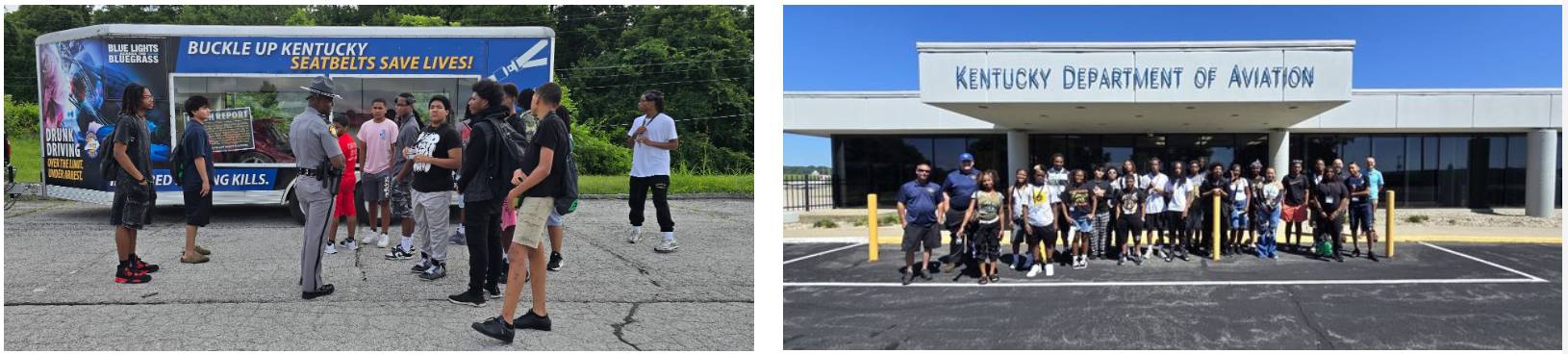
Through bridge-building projects, a materials lab visit, and other field experiences, participants in the University’s Summer Transportation Institute explored the expertise behind everyday travel. By the program’s end, all 14 students who completed a closing survey said they had discovered transportation careers they had not known existed.
Held July 12–24 through Kentucky State’s Cooperative Extension 4-H Youth Development program, the free residential camp combined that career exploration with two weeks of college life. Support from the Kentucky Transportation Cabinet sustained the program this year following a lapse in federal funding.
“Our partnership with the Transportation Cabinet allowed us to continue a program that gives students direct access to an industry with a wide range of career opportunities,” said Tyrell Kahan, associate Extension administrator. “These experiences can help students make more informed decisions about what they want to study and the work they might pursue.”
Working with a bridge design meant considering how materials and structure affect its ability to carry a load. At the materials lab, participants saw how testing helps evaluate transportation infrastructure and protect the people who depend on it.
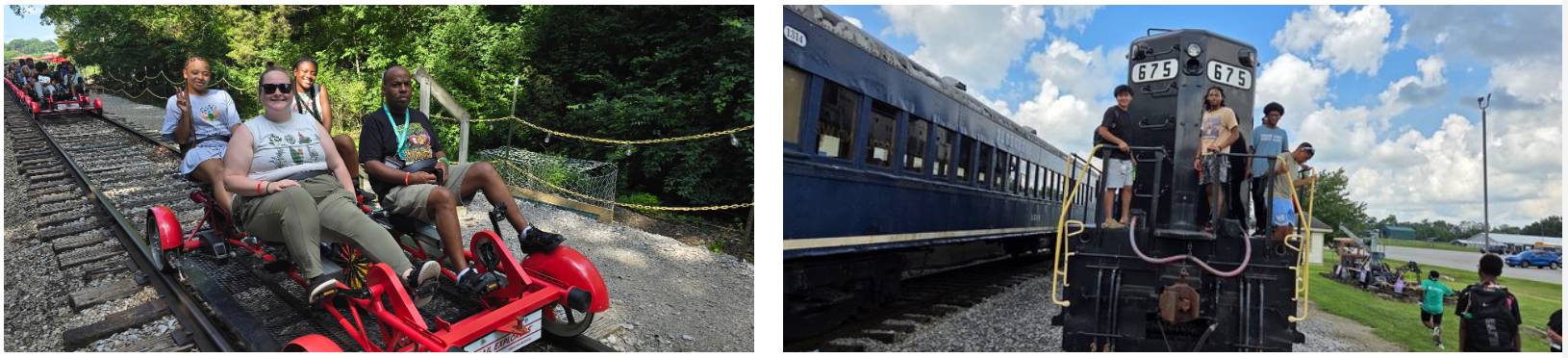
Those activities were part of a curriculum encompassing land, air, water, and rail transportation, along with the engineering, technology, and safety considerations involved in moving people and goods. Students also researched transportation topics and prepared presentations, developing their ability to investigate a technical subject and explain their findings.
“Seeing a materials lab at work can change how a student thinks about a road or a bridge,” said Danielle Kinder, a 4-H youth development Extension area agent. “They begin to recognize the expertise behind something they use every day and consider where their own interests might fit.”
The closing survey offered evidence of that career awareness: Eleven of the 14 respondents said they could name at least three transportation-related careers. Field trips and site visits earned the highest experience rating, “Great,” from every respondent, and all 14 said they would recommend the camp to another student.
Participants’ written feedback also reflected the social value of the residential program. Alongside hands-on learning and opportunities to visit new places, students highlighted making friends, working together, and finding a welcoming environment.
“We want students to leave with a clearer sense of the work that interests them and the preparation it requires,” Kinder said. “That gives them something concrete to build on when they choose classes, consider college programs, or look for their next learning opportunity.”

Legal Disclaimer:
EIN Presswire provides this news content "as is" without warranty of any kind. We do not accept any responsibility or liability for the accuracy, content, images, videos, licenses, completeness, legality, or reliability of the information contained in this article. If you have any complaints or copyright issues related to this article, kindly contact the author above.
