

Pediatric Investigation Study Uncovers the Link Between Academic Burnout, Internet Gaming, and Depression
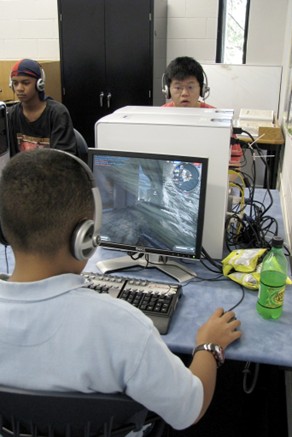
Chinese researchers report that burnout from academia can push teens towards excessive online gaming. This study strengthens the claim that depressive symptoms and negative attentional bias mediate the relationship between academic burnout and adolescent
Researchers examined how academic burnout can lead to increased internet gaming and depression in Chinese adolescents
BEIJING, CHINA, April 29, 2026 /EINPresswire.com/ -- Researchers examined how academic burnout can lead to increased internet gaming and depression in Chinese adolescentsChinese researchers report that academic burnout can push adolescents towards excessive online gaming. Using a large-scale cross-sectional survey, the researchers assessed the associations among academic burnout, internet gaming, depressive symptoms, and attentional bias. They found that academic burnout can lead to depression and negative thinking, which, in turn, leads to further dependency on internet gaming. The study also emphasized the importance of improved curriculum and stress reduction programs to support the mental well-being of adolescents.
China’s highly competitive education system is known for its strict evaluation, rigorous intensity, and academic pressure. A recent study has highlighted the growing problem of this academic pressure leading to burnout amongst Chinese adolescents, which is pushing them towards online gaming. While earlier studies were able to prove the association between academic burnout and behavioral addictions, this study shed light on how academic burnout may lead to internet gaming disorder (IGD), and explains how depression and negative attention work in a chain reaction to increase the overall risk.
To this end, a research team led by Professor Liping Jia and Professor Guohua Lu from the Department of Psychology at Shandong Second Medical School, China, conducted extensive research with over 2,000 students in Grades 7 to 9. According to the study, students dealing with academic burnout often turned to internet gaming as a distraction and a form of self-validation. Published online on March 24, 2026 in the Pediatric Investigation journal, the study emphasized that while internet gaming offers a sense of instant achievement, this temporary feeling can quickly turn into dependence. It focused on the need for specified prevention strategies to lower IGD and improve the mental health condition of Chinese teens.
The study found that depression in teens is a major factor that connects academic burnout and IGD, and students who are burnt out are more likely to experience low motivation and despair in day-to-day life activities. Because of these emotional difficulties, students turn to internet gaming as a coping mechanism. “According to our research, academic burnout activates internal psychological pathways in adolescents, with affective factors, particularly depressive symptoms, playing a central mediating role in IGD. Adolescents experiencing burnout are more likely to make negative attributions about their learning and self-worth, thereby triggering or exacerbating depressive symptoms,” says Prof. Jia.
In addition to depression, another important factor is the negative attention bias that mediates the relationship between academic burnout and adolescent IGD. Specifically, higher levels of academic burnout were associated with stronger negative attentional bias, which in turn predicted greater IGD severity. One plausible explanation could be that academic burnout, as a chronic state of psychological exhaustion, weakens attentional control and enhances the processing of negative information and attentional bias, rendering individuals more sensitive to failure-related or aversive cues.
This study strengthens the claim that depressive symptoms and negative attentional bias mediate the relationship between academic burnout and adolescent IGD. “Teens, when they feel academically stressed and become emotionally drained, develop negative thinking, and turn to internet gaming to seek solace, which reduces their capability to handle real-life situations. This cycle continues and leads to increased IGD,” explains Prof. Lu.
The researchers found that understanding this mechanism is important to design targeted prevention strategies for adolescents under academic stress. Schools can organize mental health check-up camps and counseling sessions for teens struggling with IGD to help reduce academic stress and create a more balanced learning environment. The researchers also found that evidence-based programs, including stress management and positive psychology courses, could further strengthen students’ resilience and emotion-regulation abilities. High-risk students could benefit from therapy sessions and group-based stress-reduction programs. Importantly, attentional bias modification training can help redirect adolescents’ attentional resources toward positive information, thereby reducing the influence of negative affect of gaming behavior and lowering the risk of IGD.
The researchers state that further long-term research is needed to better understand the underlying mechanisms behind the negative impact of academic stress and internet gaming on teens. Addiction to internet gaming in teens is strongly related to stress, attention-related issues, and mental health challenges, and as the pressure of better performance in academics increases, it becomes even more important to look beyond just the screen time and address these deeper issues.
***
Reference
Title of original paper: Academic burnout and internet gaming disorder in Chinese adolescents: The chain mediating roles of depressive symptoms and negative attentional bias
Journal: Pediatric Investigation
DOI: https://doi.org/10.1002/ped4.70052
About Professor Guohua Lu from Shandong Second Medical University, China:
Dr. Guohua Lu is a Professor at the Department of Psychology, Shandong Second Medical University, China. She is currently a Standing Director of the Shandong Psychological Society. Her expertise lies in the domains of applied and clinical psychology as well as psychological crisis intervention. Prof. Lu has published over 80 academic papers in reputed journals and has been honored with several awards felicitating her contribution to research.
Lu Lu
Pediatric Investigation
+86 10 6601 9629
lulu@pediatricinvestigation.org
Legal Disclaimer:
EIN Presswire provides this news content "as is" without warranty of any kind. We do not accept any responsibility or liability for the accuracy, content, images, videos, licenses, completeness, legality, or reliability of the information contained in this article. If you have any complaints or copyright issues related to this article, kindly contact the author above.
