

American Meadows and High Country Gardens Donate More Than 37,000 Plants in 2025 as Part of 0% Organic Waste Effort
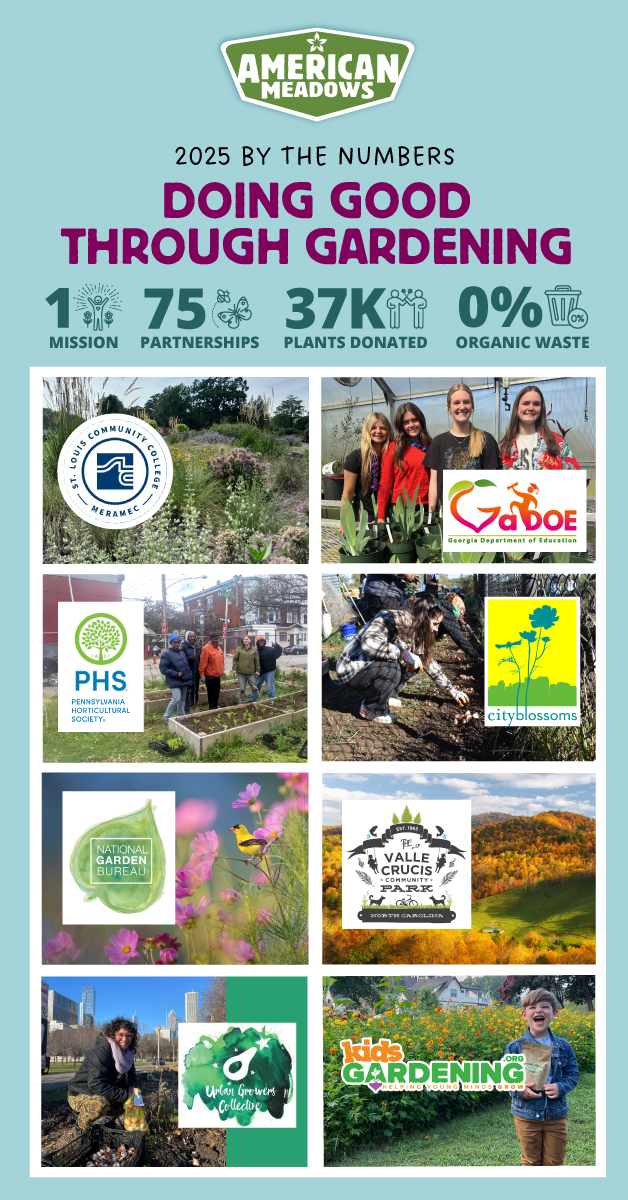
End-of-year summary highlighting American Meadows’ 2025 impact, including 75 partner organizations supported, more than 37,000 plants donated, and a commitment to 0% organic waste.
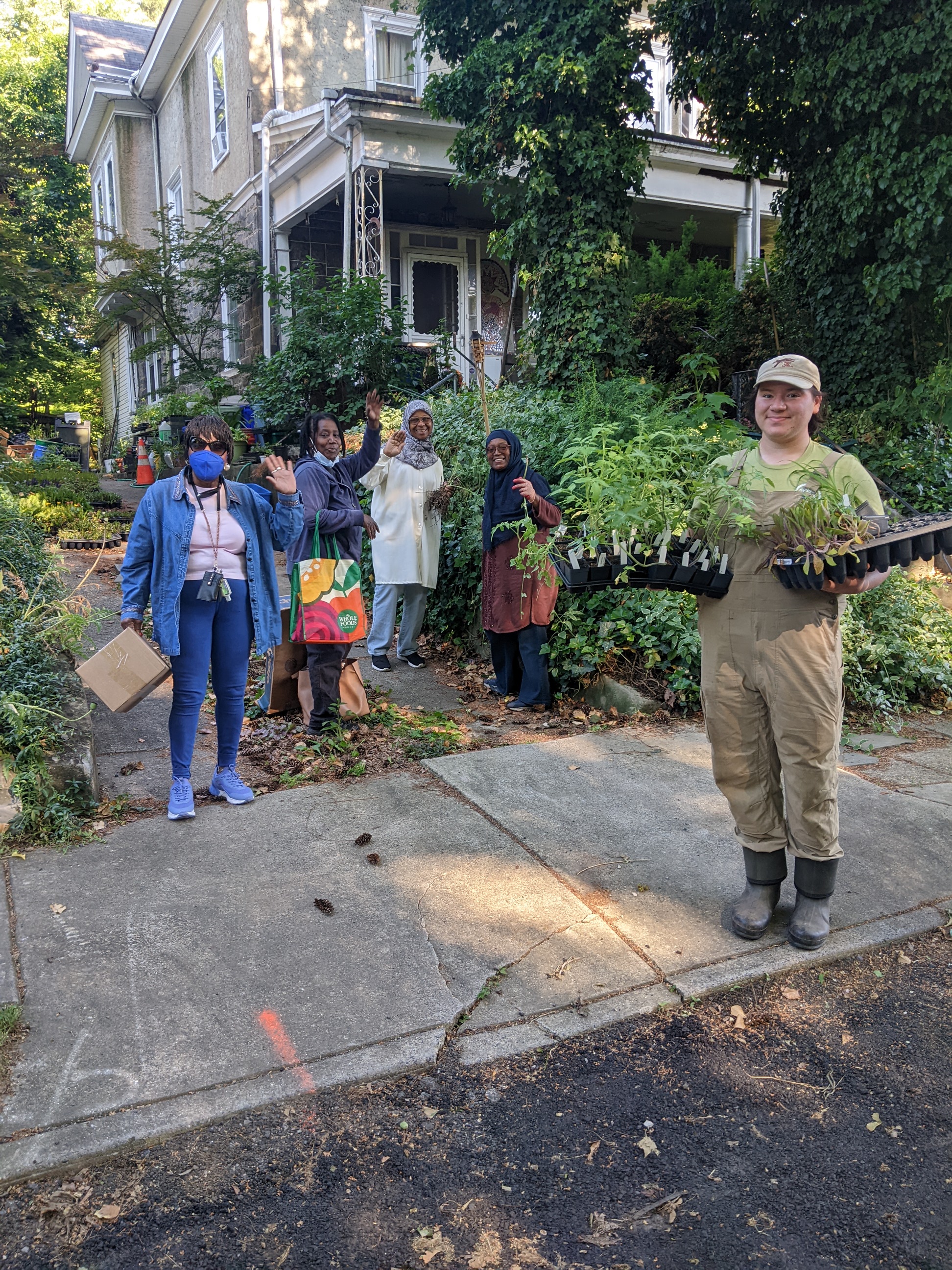
Pennsylvania Horticultural Society received and distributed over 4,000 plants and bulbs in 2025 from American Meadows to help support their programs throughout Philadelphia.

Plants donated by High Country Gardens are sold during the Hummingbird Plant Sale at the Sedona Hummingbird Festival in Sedona, Arizona, supporting hummingbird conservation and community education efforts.
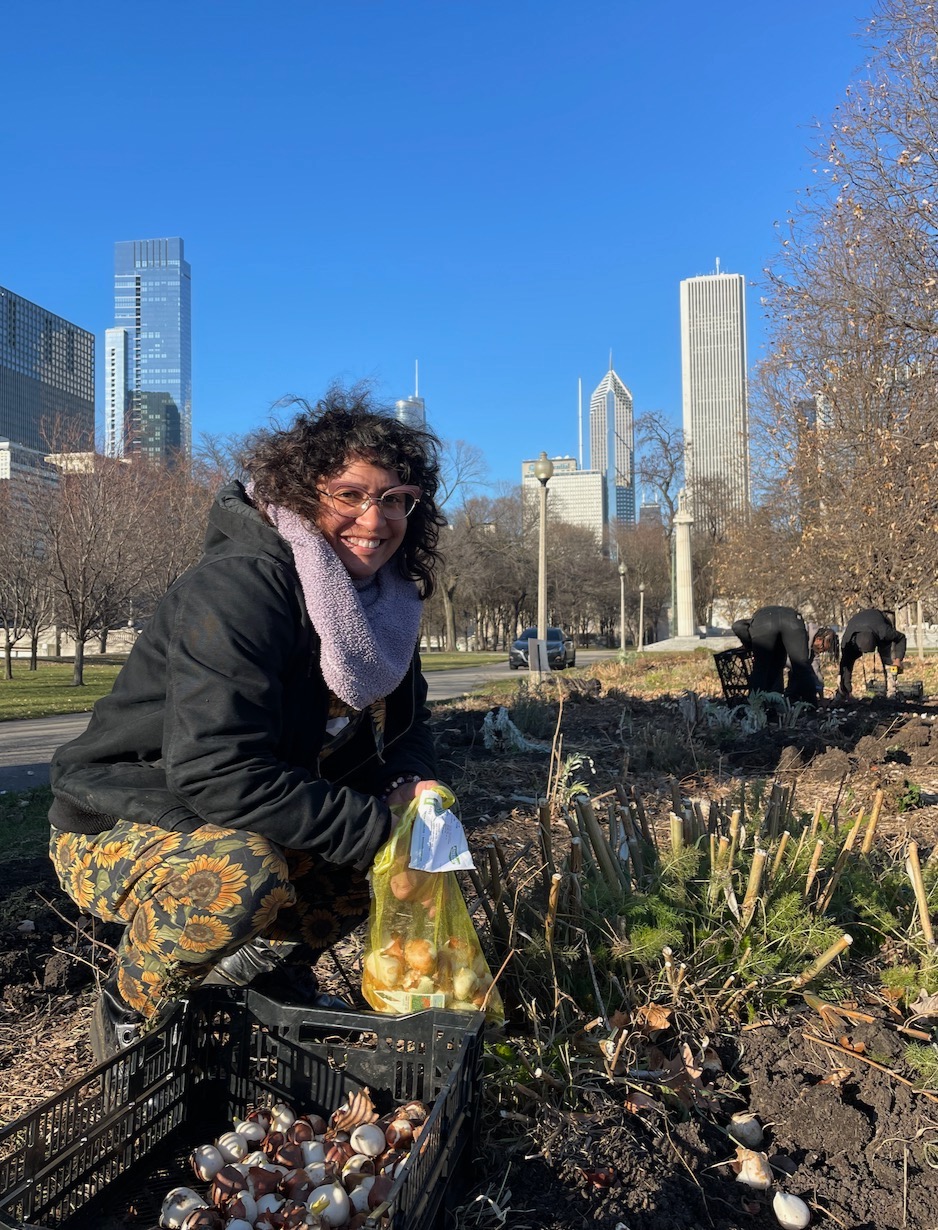
A participant plants fall bulbs in Chicago with Urban Growers Collective, reflecting a shared commitment to diverting organic materials from landfills through urban agriculture.
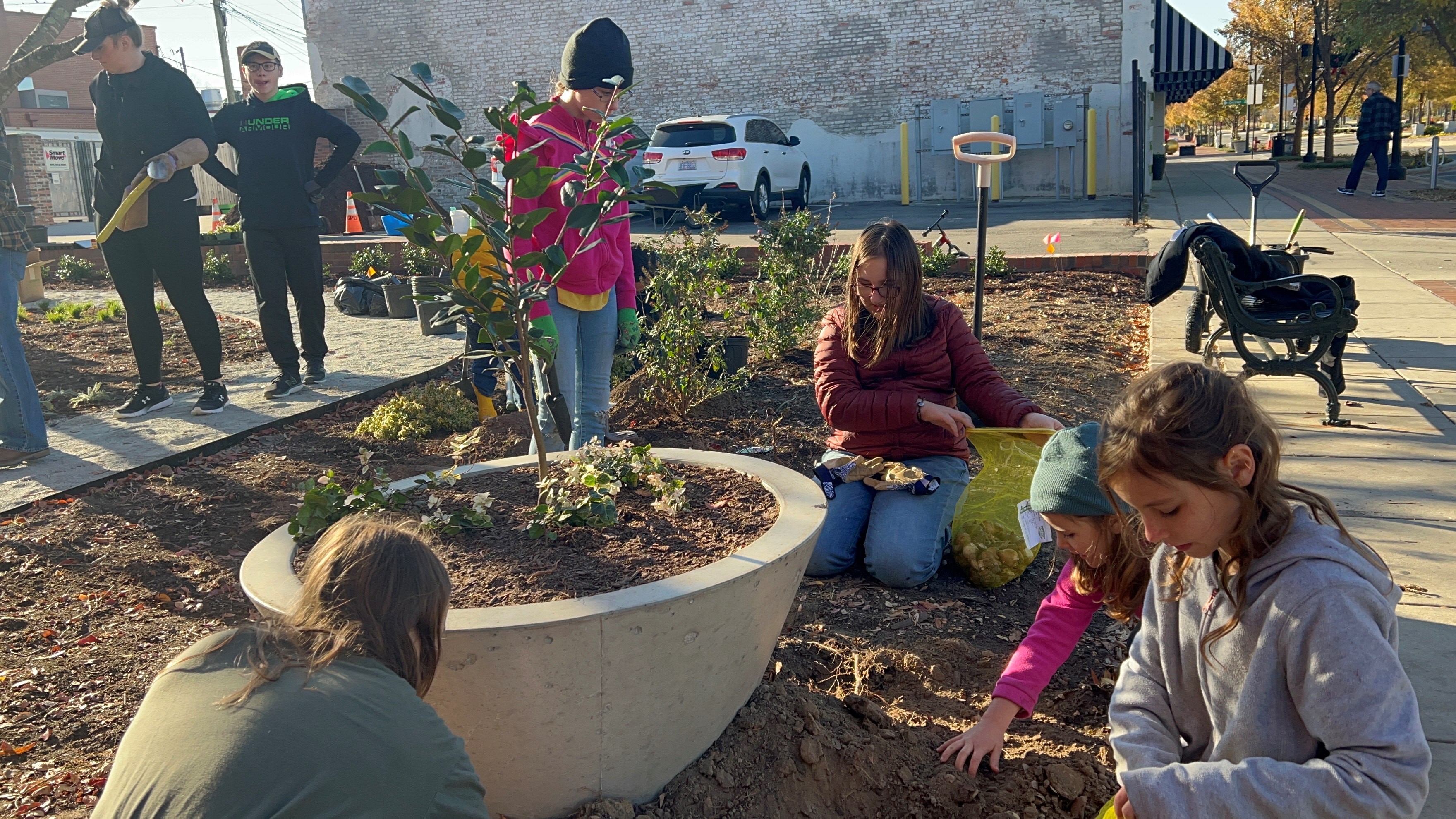
Community members gather to plant fall bulbs, including daffodils—one of Aly’s favorite flowers—at Aly’s Garden, a memorial garden in Goldsboro, North Carolina created to honor her life and love of wildflowers.
Donations support community organizations nationwide while advancing a formal commitment to divert unsold plants from landfills
The companies have supported community organizations with plant donations for many years and, beginning in 2024, formalized a specific end-of-season commitment to ensure that 100% of unsold plants are donated to aligned organizations rather than disposed of, resulting in operations that achieve 0% organic waste during the growing season.
The 2025 donations supported community gardens, educational programs, botanical and memorial gardens, urban agriculture organizations, and habitat restoration projects, including sites in areas affected by natural disasters.
COMMUNITY IMPACT THAT GROWS FAR BEYOND THE GARDEN
Across the country, donated plants supported a range of community-led efforts spanning conservation, education, therapeutic programming, and equitable access to green space.
At the International Hummingbird Society, donated plants supported both conservation funding and public engagement.
• “The donated plants formed the foundation of our Hummingbird Plant Sale during the Sedona Hummingbird Festival,” said Alice Madar, Executive Director of the International Hummingbird Society. “The sale supported hummingbird conservation and helped build awareness around gardening practices that benefit wildlife.”
At Denver Urban Gardens, plants were incorporated into therapeutic and sensory-focused spaces serving students and individuals with autism.
• “The perennials we received were planted in therapeutic gardens at Sabin Elementary School and Firefly Autism,” said the Director of Therapeutic Gardens at Denver Urban Gardens. “Red yarrow was added to a sensory garden at Sabin, while lamb’s ear was planted at Firefly Autism to provide a calming, tactile experience.”
At Wasatch Community Gardens, the partnership reinforced shared priorities around reuse, access, and community stewardship.
• “Receiving these donated plants and bulbs has supported our mission by expanding access to healthy growing spaces while reinforcing a shared commitment to zero organic waste,” said Alicia Ryans of Wasatch Community Gardens. “This partnership reduces waste while cultivating learning and connection in the neighborhoods we serve.”
For the Pennsylvania Horticultural Society, donated plants helped extend programming beyond traditional audiences.
• “Because we can’t be everything to everybody, these donated plants help us reach communities that aren’t always served by our regular programs,” said Sally McCabe, Associate Director of Community Education at the Pennsylvania Horticultural Society. “With American Meadows’ support, we’re able to share beauty and horticultural knowledge with schools and community gardens across Philadelphia.”
At the Chicago Botanic Gardens, donated plants supported both underfunded areas of the Garden and expanded the use of native plants in educational displays.
• “The plant donation program has helped support areas of the Garden with limited funding while strengthening our use of Midwest native plants,” said Julia Ansolabehere of Chicago Botanic Gardens. “It’s been encouraging to see native plants used for aesthetics, biodiversity, and as an educational tool.”
WASTE REDUCTION AND ENVIRONMENTAL CONTEXT
American Meadows and High Country Gardens’ formal commitment to 0% organic waste aligns with Vermont’s Universal Recycling Law (Act 148), which prohibits the disposal of organic materials in landfills.
When organic materials decompose anaerobically in landfills, they generate methane emissions and leachate that can negatively affect air quality, soil health, and water systems. Redirecting unsold plants to community use reduces landfill disposal while extending the functional life of perishable materials.
“Sending plants to the landfill contradicts everything we stand for,” said Tabar Gifford, Master Gardener and Partnership Cultivator at American Meadows and High Country Gardens. “We believe every plant deserves a second chance to grow. By donating 100% of our unsold plants for the second year in a row, we’re redirecting what would have been waste into gardens, habitat, and educational settings within communities.”
PROGRAM GROWTH
Over multiple seasons, American Meadows and High Country Gardens have expanded both the number of plants donated and the diversity of recipient organizations. The donation program operates alongside other company initiatives related to sustainability, accessibility, and environmental responsibility.
These initiatives include Reduce Your Lawn Day, a national awareness effort encouraging alternatives to turf grass and the creation of pollinator-supporting landscapes. In 2025, participants reported converting more than 36 million square feet of turf to pollinator-friendly plantings—an area nearly the size of New York City’s Central Park.
The companies’ efforts have received third-party recognition, including the GardenComm Gold Laurel Media Award (2025) and the Vermont Businesses for Social Responsibility (VBSR) Innovation & Inspiration Award (2024) for leadership in mission-driven gardening programs.
ABOUT AMERICAN MEADOWS:
American Meadows is Doing Good Through Gardening. Their innovative wildflower seed mixes, pre-planned perennial gardens, and lawn alternatives are a go-to for online gardeners. With over 40 years of experience and 650,000 happy customers, American Meadows is the authority in meadowscaping. Visit www.americanmeadows.com to learn more.
ABOUT HIGH COUNTRY GARDENS:
High Country Gardens knows sustainability begins in your backyard. They are dedicated to doing good through sustainable gardening. Since 1993 this trusted e-commerce retailer has provided perennials, bulbs, and pre-planned gardens to support habitat creation, natural nectar and waterwise environments. Visit https://www.highcountrygardens.com/ to learn more.
LEARN MORE ABOUT ORGANIZATIONS SUPPORTED THROUGH THIS INITIATIVE:
Denver Urban Gardens: https://dug.org
International Hummingbird Society: https://www.hummingbirdsociety.org
Utah State University - Ogden Botanical Gardens: https://extension.usu.edu/ogdenbotanicalgardens
Pennsylvania Horticultural Society: https://phsonline.org
Urban Growers Collective: https://www.urbangrowerscollective.org
Wasatch Community Gardens: https://wasatchgardens.org
Chicago Botanic Garden: https://www.chicagobotanic.org
Tabar Gifford
American Meadows Inc
ltabar@americanmeadows.com
Visit us on social media:
YouTube
Instagram
Facebook
Bluesky
TikTok
LinkedIn
About American Meadows: How Meadowscaping Makes It Better with Pollinator-Friendly Plants & Sustainable Gardening
Legal Disclaimer:
EIN Presswire provides this news content "as is" without warranty of any kind. We do not accept any responsibility or liability for the accuracy, content, images, videos, licenses, completeness, legality, or reliability of the information contained in this article. If you have any complaints or copyright issues related to this article, kindly contact the author above.
